_edited.jpg)
TM

Leave No Trace
PA Firefly Festival is proud to be a PA Wilds Leave No Trace Partner and a supporter of Leave No Trace efforts in the region. As an organization in this spectacular and unique region of Pennsylvania, we value our outdoor areas and want to help protect them for residents and visitors to enjoy from now and into the future! To learn more about how you can help us protect the PA Wilds visit PAWilds.com
.png)

Be Prepared:
(The first rule of the outdoors)
The Pennsylvania Wilds (PAW) is home to some of the most spectacular wild lands on the east coast. There is so much to see from the Synchronous and Chinese Lantern fireflies, to the northeast’s largest elk herd, two national scenic rivers and certified dark night skies. However, the PA Wilds is very rural, and has limited cell service, which means it is extra important to be prepared. Be sure to carry maps, fill up on gas when possible and have a plan in case of an emergency.
When firefly “hunting”, go early to the firefly sites before the sun goes down so that you are familiar with your surroundings. Locate the trailheads and restrooms, and identify any obstacles like creeks, ditches, rocks, tree stumps, etc. We suggest using a walking stick or trek poles and taking a camp chair or a blanket to cover the ground for protective seating. Wear light colored protective clothing, i.e. long sleeves, pants, sturdy shoes or boots. If you use bug spray, be sure to apply before you enter the habitats. Take water and food if you plan to stay a couple of hours. Always have rain gear. The weather can change in the PA Wilds in minutes. It’s always better to take something and not need it; than to need it and not have it.


Travel and Camp on Durable Surfaces
Fireflies live in the habitats year-round. Even in the seasons you don’t expect to see fireflies, they are there. Over 95% of a firefly’s life cycle is spent in or on the ground, and can take up to 2 years to complete the cycle from an egg to the adult insect. They are highly sensitive to trampling and soil disturbances, so please stay on the trails and hard surfaces when looking for fireflies or just camping.
There are lots of different camping options available in the PAW region. There is everything from undeveloped dispersed camping and primitive campgrounds to developed campgrounds with facilities such as restrooms and electric hookups. When selecting a campsite, always pick one to meet the needs of your group, and be prepared to pack out your refuse if things like dumpsters and restrooms are not available.

Trash Your Trash
Fireflies are known as a bioindicator species. In other words, if fireflies are present in a habitat, it indicates that the habit is free from pollutants, including air, water, soil and lights. So, we need to keep it that way for future generations. Please refrain from smoking or vaping, but if you do, absolutely remove your butts. Avoid using bug spray or wearing perfumes in the habitat.
It is always important to pack out ALL trash, including dog waste and food scraps. Food waste may cause animals to become dependent on humans for food. This can have dangerous consequences for the humans and for the animal. Whenever you head outside, bring a bag so you can pack out your trash and possibly litter left behind by others. Try to leave the outdoors better than we found it for future visitors to enjoy.


Leave What You Find
Catching fireflies and putting them in a jar may be a fond memory for many grown-ups, but catching fireflies is a threat to many of the species. Adult fireflies are looking for a mate in order to conceive the next generation. In some species, the ratio of males to females is 50:1. Competition is fierce, and an adult only lives for 10 days to 2 weeks. So game on! Also, fireflies do not migrate and many species are highly specific to their habitats.
When we say “firefly hunting”, we are figuratively referring to looking for and watching them, but if you feel you must catch one for a closer look, just be sure to release it that night in the same location in which it was caught, and never handle fireflies or bugs if you are wearing bug spray.
Invasive species, such as Zebra mussels and the Spotted Lanternfly can have damaging effects on the environment and local ecosystems. Ticks are also common hitchhikers on you and your pets. Help prevent the spread of these harmful animals by always doing a quick tick check before leaving, cleaning equipment including tents, atvs, and draining and drying boats before and after every outing, especially if boating in different waterways. Finally DO NOT transport firewood and burn all firewood you may bring to your site.

Be Careful with Lights and Fire
Be mindful of the size of campfires and the use of lights in the dark. Light pollution has impacted the environments of fireflies in cities and suburban areas with detrimental impacts to many nocturnal insects, mammals, reptiles, and birds. When in the PA Wilds, visitors can expect to see not only fireflies but the dark skies (i.e. Constellations, Planets, Milky Way, Aurora Borealis, etc.). The dark skies will be more visible if you maintain a low campfire and refrain from using bright lanterns and string lights at campsites.
The use of flashlights/torches should be kept to a minimum, shown directly on the path and turned off as soon as you arrive at your site. You may even choose to use a red filter on your flashlights; a setting now available on a lot of headlamps. The red filter is less impactful to not only fireflies, but other insects and your night vision. You will be amazed how much you can see in the dark if you let your eyes adjust and use your own night vision.
Campfires can be a fun part of spending time outdoors. You can enjoy a campfire responsibly by keeping fires small and purposeful, never leaving a fire unattended and dowsing your fire with water or sand until it is cool to the touch when you are done.
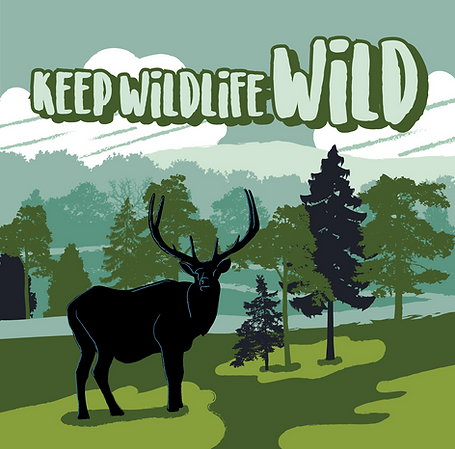
Keep Wildlife Wild
The PAW is home to over 30 species of fireflies out of the 200 identified in North America and over 2000 in the world. It also has amazing wildlife including wild turkeys, bears and the largest elk herd in the northeast. While some of these animals may seem un-bothered by your presence, they are still wild and can be unpredictable. Protect yourself and our wildlife by giving them plenty of space. For larger creatures, such as elk and bears, this means at least 100 yards or the length of one football field.
With respect to fireflies, while they aren’t a threat to you; they don’t sting or bite, their sole purpose as adults is to find a mate and sustain the species. So, we ask visitors to restrict their movement, noise and lights, respect the animals by not catching them and limit viewing time to as brief as possible.

Be Mindful in Shared Spaces
Everyone goes outside for different reasons. Fireflies of different species can be observed in the PAW region starting in late spring to early fall, but the PAW also offers everything from biking and hiking, to horseback riding and bird watching. We can help all people enjoy their time outside by yielding to other users on the trail. Remember that bikers should yield to hikers and hikers should yield to those hiking uphill. Everyone yields to equestrians, other pack stock and people using wheelchairs. At night, when walking on a trail with headlamps or flashlights, remove your headlamp and keep your lights focused on the ground to avoid shining lights into the eyes of other fireflyers.
Because of the growing popularity of firefly tourism throughout the world, the PA Firefly Festival (PAFF) has adopted a lottery system for registration of firefly tours much like what is used in the National Parks in Tennessee and S Carolina. PAFF had over 1300 applications submitted to the 2026 lottery, and we only admit 150 people to the guided viewing program
we host in June. The public demand to see fireflies is extraordinary, but if we aren’t careful, we could lose the very thing everyone so desperately wants to see. Conservation and preservation is the only way we can ensure that the fireflies are here for many generations to come and sustain the tourism for others to enjoy.